High-volume searches
Pillar posts help brands target broad, repeatable searches around important finance topics such as demat accounts, mutual funds, loans, insurance, tax, trading and investing.
A practical breakdown for finance brands that want to use content for SEO, topical authority, backlinks, product education, and reader trust.
Finance content should not be treated as generic blog writing. Every format has a different job. Some capture high-volume searches. Some support product pages. Some build topical authority. Some help with backlinks. Some capture trending demand. Some improve older content.
Pillar posts help brands target broad, repeatable searches around important finance topics such as demat accounts, mutual funds, loans, insurance, tax, trading and investing.
Guides, comparison posts and product-led content can support product pages by educating users before they take action.
Clusters, support posts and internal links help the site show depth around a topic instead of publishing isolated articles.
Feature explainers help users understand what a product feature does, when to use it and why it matters.
Outreach articles and useful reference assets can support organic link-building and authority-building.
News, IPO, market holiday and regulatory content can capture timely search demand. Reoptimisation keeps older pages useful and current.
These are the formats Outdo can help finance brands plan, write, edit, reoptimise and use within an SEO-led content system.
Long-form cornerstone article targeting a high-volume primary keyword. It covers a topic comprehensively and acts as the anchor for a content cluster.
Use when the brand wants to own a broad, important finance topic.
Builds topical authority and becomes the main page other support articles can link back to.
Acts as the central page for a topic cluster and gives supporting pages a clear internal linking destination.
Shorter article targeting a long-tail keyword and linking back to the pillar post. It helps build depth around a topic cluster.
Use when a brand wants to support a larger SEO topic with related long-tail searches.
Improves topical depth and strengthens internal linking.
Helps build topical depth around a primary keyword and strengthens internal linking to the pillar page.
Time-sensitive content around market events, regulatory updates, commodity prices, market holidays, or industry news.
Use when the brand wants to capture short-term search demand and remain relevant in fast-moving finance topics.
Captures timely search traffic and keeps the blog fresh. Opening Bell and Closing Bell content can sit inside this format as a sub-type.
Targets queries where the user needs current answers, specific dates, market context or quick clarity.
Side-by-side analysis of two products, instruments, platforms, or investment options.
Use when users are comparing options before making a decision.
Targets high-intent “X vs Y” searches and helps readers make informed decisions.
Matches comparison intent and supports users who are closer to a product, platform or investment decision.
A quick-reference, scannable resource that simplifies a complex finance topic into one useful page.
Use when the topic is technical, visual, or needs a quick explanation.
Useful for readers, easy to share, and good for building recall.
Helps capture quick-answer and reference-style searches while improving usefulness for technical finance topics.
Updating existing blog posts with fresh content, better structure, improved search intent, internal links, and updated information.
Use when old posts are losing rankings, ranking on page 2, or have outdated data.
Can improve search performance without creating new content from scratch.
Improves existing assets by aligning them with current search intent, updated data, stronger structure and better internal links.
Step-by-step instructional content that helps readers complete a process or make a decision.
Use when users have action intent and need clarity.
Targets practical searches and supports both beginner and advanced users.
Matches instructional intent and helps convert search demand into useful product or category education.
Content that tracks an IPO across its lifecycle, from pre-IPO analysis to subscription updates to listing day results.
Use when the audience actively searches for IPO information and market updates.
Captures high-intent search traffic around trending IPO queries.
Captures timely, event-led search demand across pre-IPO, subscription, allotment, listing and post-listing stages.
A cluster of articles created to support a specific product, feature, category, or go-to-market launch.
Use when a brand is launching a new feature, product, or category and wants to educate users around the use case.
Supports product adoption and connects educational search demand to the brand’s offering.
Builds educational demand around a product category and passes relevant traffic toward product, feature or signup pages.
Deep-dive articles that explain the brand’s technology, infrastructure, product thinking, or internal systems.
Use when the brand wants to build credibility and show what makes it different.
Builds trust, authority, and product confidence.
Supports branded search, product confidence, E-E-A-T signals and deeper trust for high-consideration finance users.
Short, focused posts that introduce a new feature, explain what it does, and show users how to use it.
Use when existing users need to understand new features better.
Improves feature discovery, product education, and user adoption.
Connects branded, product-led and use-case-led searches to feature adoption and user education.
Articles written for external websites to earn backlinks to the brand. These follow strong writing standards but are published on third-party domains.
Use when the brand wants to improve domain authority and support SEO through organic link-building.
Supports backlinks, authority-building, and ranking improvement for target pages.
Supports off-page authority by earning relevant backlinks that can strengthen important SEO pages.
Proof · Fintech content case study
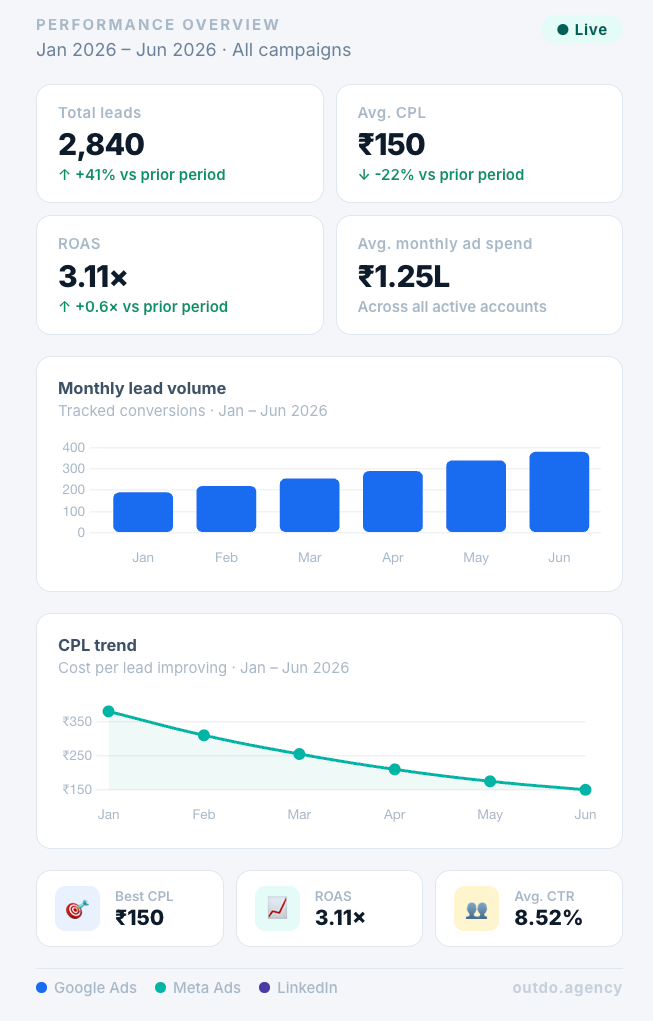
We sat down with a leading fintech brand to plan the content strategy together. From there, we mapped the topics across these exact formats and wrote every piece, building real pillar and support depth instead of one-off blogs. Here is what that produced.
These formats work together to build topical authority, better internal linking, long-tail coverage, search intent coverage, freshness, backlink support and product/page-level SEO support.
| SEO Driver | How the Content Format Helps | Relevant Formats | Source / Reference |
|---|---|---|---|
| Topical authority | Deep topic coverage helps the brand become a more complete source on a finance subject, not only a single keyword. | Pillar Post, Support Post, Guide, Comparison Content | Ahrefs: Topical Authority |
| Content clusters | Ahrefs explains that pillar pages and supporting spokes can create stronger internal linking and semantic connections. | Pillar Post, Support Post, Cheat Sheet, Guide | Ahrefs: Content Pillars |
| Internal linking | Internal links help users and search engines move between related pages. They also make important pages easier to discover. | Support Post, Reoptimised Old Blog, Product Launch Content | Google: Links Best Practices |
| Long-tail keyword coverage | Long-tail queries are often more specific. This makes them useful for support posts, guides, comparisons and feature-led topics. | Support Post, Guide, Comparison Content, Feature Explainer | Backlinko: Long-Tail Keywords |
| Search intent coverage | Semrush defines search intent as the user’s main goal behind a query. Matching intent helps content answer the right task. | Comparison Content, Guide, Feature Explainer, IPO Coverage | Semrush: Search Intent |
| Freshness | Freshness is query-dependent. It matters more for topics where users need current information, such as IPOs, market holidays and regulatory updates. | News / Trending Content, IPO Coverage, Reoptimised Old Blog | Ahrefs: Ranking Factors |
| Backlink support | Backlinko’s 11.8 million result study found that the #1 result had an average of 3.8x more backlinks than positions #2 to #10. | Outreach / Backlink Content, Brand Narrative, Cheat Sheet | Backlinko: Ranking Study |
| Product/page-level SEO support | Educational content can connect relevant search demand to product, feature, calculator, category or signup pages through planned internal links. | GTM / Product Launch Content, Feature Explainer, Guide, Comparison Content | Google: SEO Starter Guide |
The goal is not to publish more content. The goal is to publish the right formats for the right search and business goals.
| Goal | Useful Formats | Why It Helps |
|---|---|---|
| Build topical authority | Pillar Post, Support Post, Guide, Cheat Sheet | Creates depth around one topic instead of scattered one-off articles. |
| Rank for high-volume keywords | Pillar Post, Guide | Targets broad finance keywords with comprehensive, structured content. |
| Capture long-tail traffic | Support Post, Comparison Content, Feature Explainer | Answers specific searches where the user intent is clearer. |
| Support product pages | GTM / Product Launch Content, Feature Explainer, Guide | Connects educational demand with product or feature-level pages. |
| Improve old content | Reoptimised Old Blog | Refreshes existing pages instead of always creating new ones. |
| Build backlinks | Outreach / Backlink Content, Cheat Sheet, Brand Narrative | Creates useful external content and link-worthy assets. |
| Capture trending search demand | News / Trending Content, IPO Coverage | Targets fresh, event-led searches with time-sensitive answers. |
| Educate existing users | Feature Explainer, Guide, Product Launch Content | Improves product understanding and reduces friction for users. |
| Build trust and credibility | Brand Narrative, Guide, Comparison Content | Shows expertise, transparency and practical subject understanding. |
This is only an example for a finance brand. It is not a fixed recommendation.
Demat Account 101: Everything Beginners Need to Know
What Documents Are Required to Open a Demat Account?
Demat Account Charges Explained for Beginners
Can You Have More Than One Demat Account?
Common Demat Account Mistakes New Investors Make
Demat Account vs Trading Account: What Is the Difference?
How to Open a Demat Account Online in India
How Instant Account Opening Helps New Investors Start Faster
Why First-Time Investors Should Understand Demat Safety Before Investing
Good finance content is not just clean writing. The reader is usually making a real decision about money, risk, tax, insurance, investing, credit, or business finance. That takes writers who have actually worked in markets, not only written about them.
Outdo works with leading fintech and BFSI brands in India on SEO-led finance content to help them improve their Google search visibility. We can support finance teams with the planning, writing, editing and distribution assets needed to build a sharper content engine.
If content is a focus for your brand, Outdo can help you identify the right formats, topics, and execution system based on your SEO and business goals.
Leave your details below. We'll reach out to set up a call and understand how we can help with your lead generation.