SEO Case Study: 177% Organic Click Growth for a B2B Medical Equipment Supplier (UAE)

Client

B2B Medical Equipment Supplier & Service Provider

Industry

Medical Equipment & Healthcare Technology

Business Model

B2B trading, installation, service & maintenance

Timeline

April 2025 → 16 December 2025 (ongoing)

1. The Problem

When this UAE-based medical equipment supplier engaged us in April 2025, they already had a functioning website and were actively running paid search campaigns.

But organic search wasn’t pulling its weight.

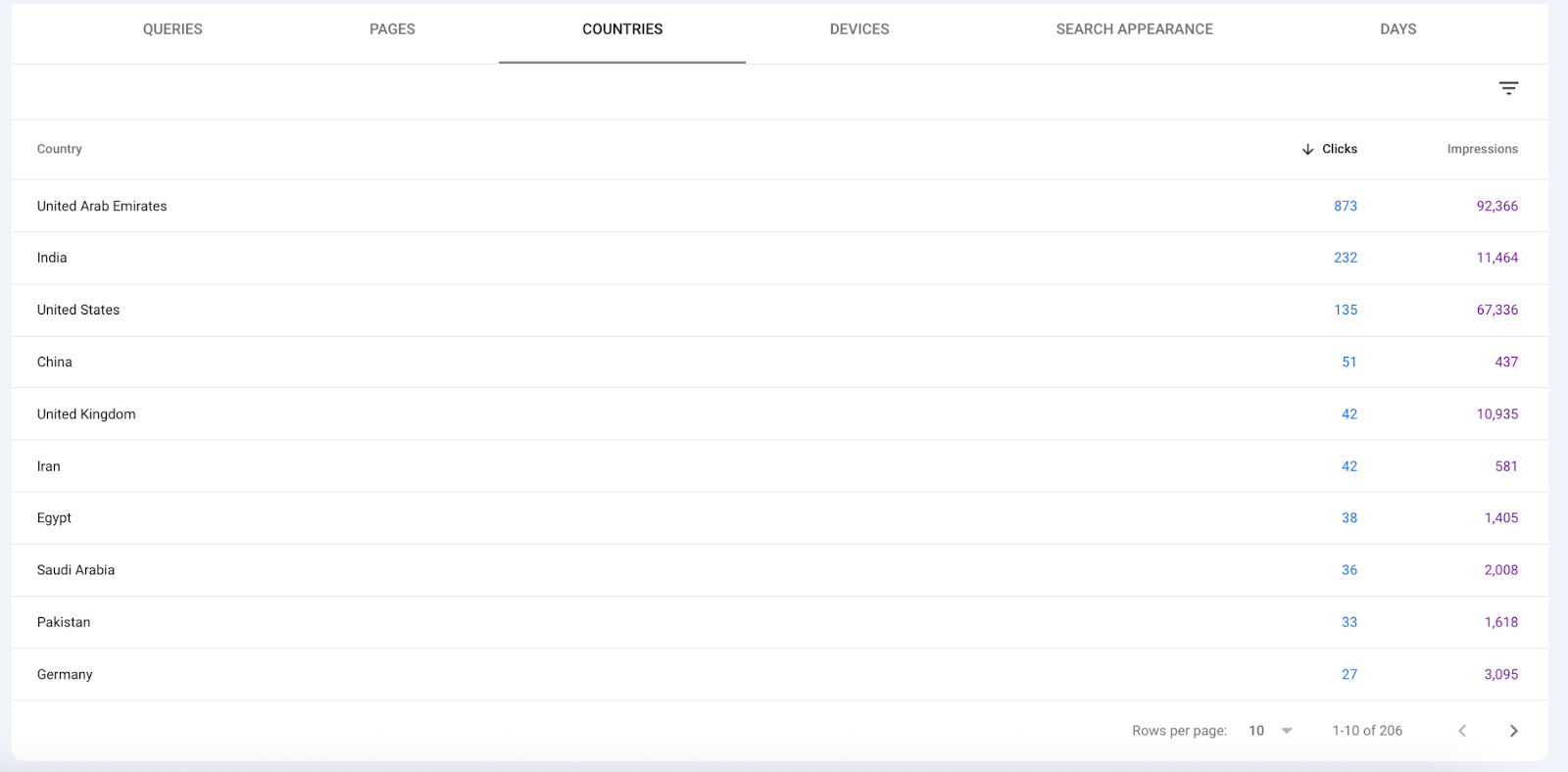
The site was getting some traffic, but very little of it was translating into WhatsApp messages or contact enquiries, especially from non-brand searches. Most visibility came from people who already knew the brand, not from hospitals or clinics actively searching for equipment or services.

Once we dug into the site, the reason became obvious.

The problem wasn’t a lack of demand.
It was how the website was built and presented for search.
Key service pages existed, but:

  • The content felt random and inconsistent from page to page
  • Headings were used incorrectly (H1S missing, subheadings misused), making pages hard for search engines to interpret
  • The pages didn’t clearly answer three basic questions:
    • Who is this service for?
    • What exactly is being offered?
    • What should the user do next?

Because of this, Google struggled to understand what each page should rank for, and users didn’t feel confident enough to take action.
As a result, the site wasn’t just missing traffic.
It was missing the right kind of traffic — people actively looking for medical equipment solutions and ready to enquire.

Our Goal

Increase non-branded and branded organic visibility and make organic search a consistent source of WhatsApp and contact enquiries, independent of paid campaigns.
2. Starting Point (April 2025)

Search Visibility

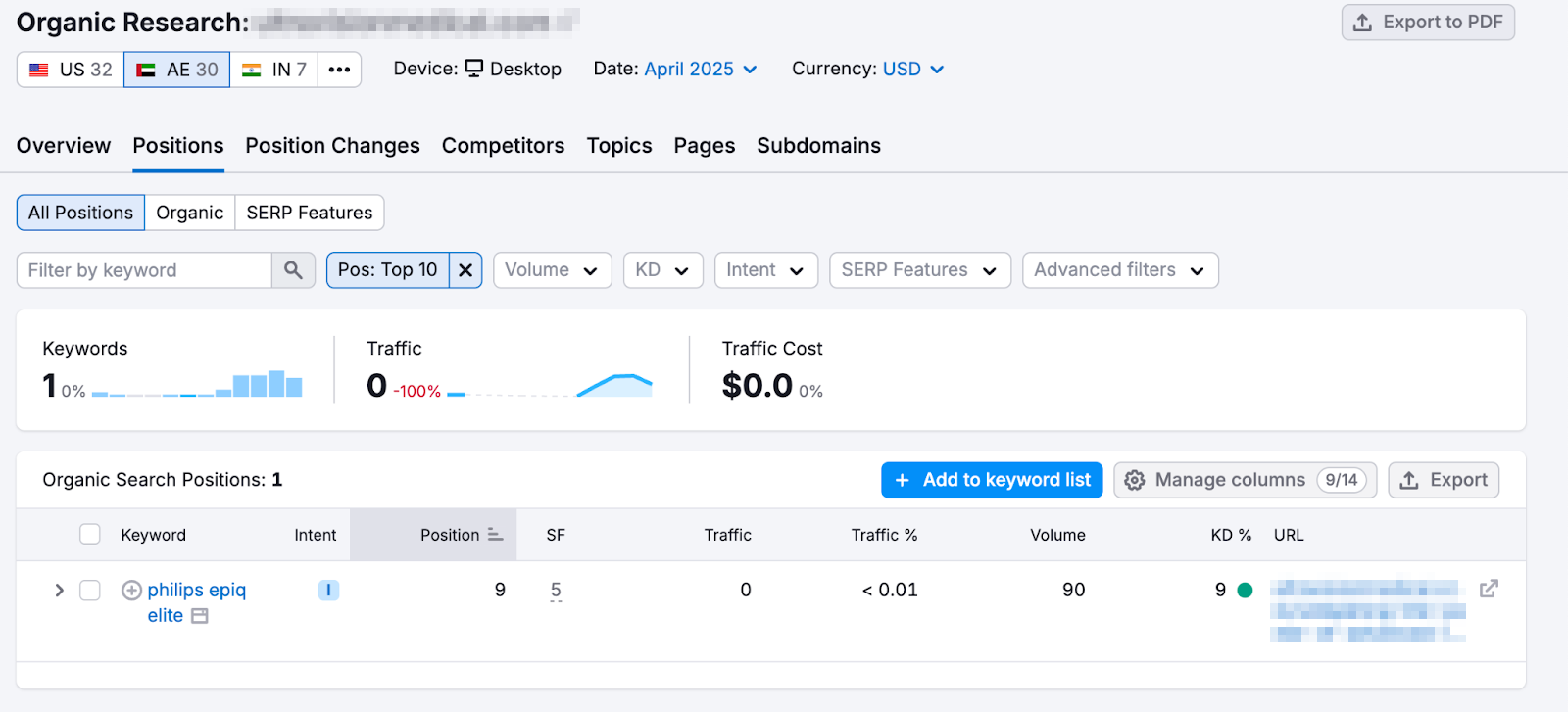
  • Minimal non-brand visibility
  • Only 1 keyword in Google Top 10
  • Average Google position: 35+

Traffic & Channel Context

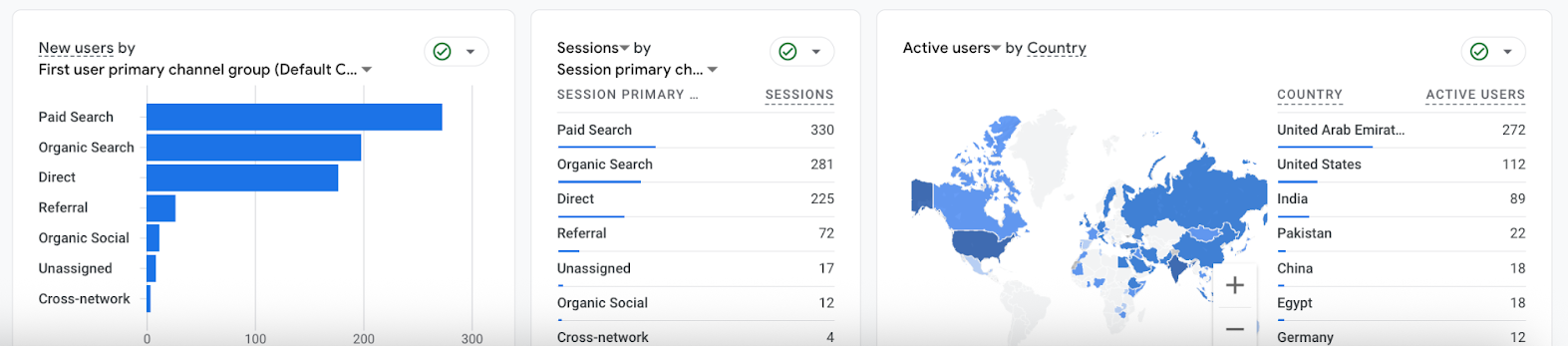
  • Paid search campaigns were already running
  • Organic search was present, but not the primary acquisition channel
  • SEO improvements were required to drive incremental, non-paid growth

In April 2025, they’re spending heavily on paid search.

3. Strategy overview: Fix fundamentals, then scale

Rather than chasing quick wins, we followed a structured SEO rollout aligned with the SOW, focusing on:

  1. Correcting technical & on-page foundations
  2. Capturing commercial, non-brand demand
  3. Ensuring traffic was conversion-ready

This ensured growth was systematic, measurable, and sustainable.

4. Execution (aligned with SOW)

4.1 Technical SEO & site hygiene

What we did (as per SOW):

  • Robots.txt optimisation
  • XML sitemap creation & submission
  • Black-hat SEO issue checks
  • Canonicalisation, broken links & broken image fixes
  • Custom 404 recommendations
  • Website speed analysis with optimisation recommendations
  • Schema markup recommendations

Because of this, Google struggled to understand what each page should rank for, and users didn’t feel confident enough to take action.
As a result, the site wasn’t just missing traffic.
It was missing the right kind of traffic — people actively looking for medical equipment solutions and ready to enquire.

Why this mattered

These fixes removed crawl inefficiencies and helped Google clearly interpret page structure — a prerequisite for ranking improvements.

For the first quarter, we focused on:

  • 10 primary keywords
  • 20 secondary keywords

4.2 Keyword research & competitor analysis

Focused on transactional and commercial B2B intent and avoided low-intent informational terms

For the first quarter, we focused on:

  • 10 primary keywords
  • 20 secondary keywords

Keyword selection prioritised:

  • Equipment categories and service offerings
  • Solution-based searches are used by hospitals, clinics, and laboratories
  • UAE-specific supplier intent

4.3 On-page SEO optimisation

What we optimised:

  • Title tags
  • Meta descriptions
  • URL structures
  • Heading hierarchy (H1–H3)
  • Image optimisation & internal linking

Each money-making page was optimised top to bottom:

  • Title tags and meta descriptions
  • URL structures
  • Correct heading hierarchy (H1–H3)
  • Image optimisation and internal linking

We optimised:

  • 10 main money-making pages initially
  • 5 additional service/landing pages per month
  • Blog and article topics (5 per month) to support topical relevance

Existing service content was cleaned up, restructured around buyer intent, and removed filler content that diluted relevance.

As a result, pages began ranking for non-brand commercial queries, not just branded searches.

4.4 Authority building & off-page SEO

Activities included:

  • High-quality directory submissions (10/month)
  • Local business listings (JustDial, AskLaila & others)
  • NAP syndication
  • Image sharing & SBM outreach
  • Q&A participation (including Quora)
  • High-DA backlinks

5. Results (April 2025 → 16 Dec 2025)

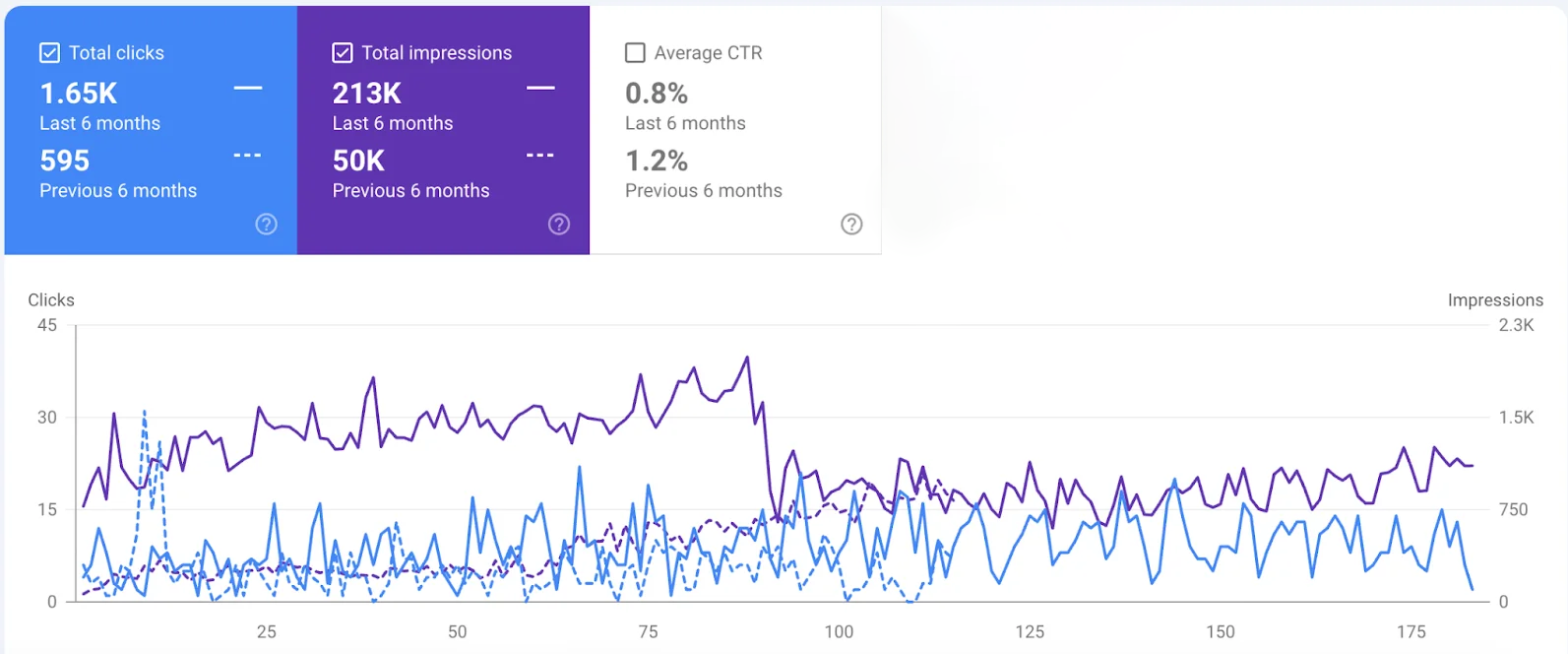
Search visibility growth

MetricBeforeAfter
Total clicks5951,650
Total impressions50,000213,000

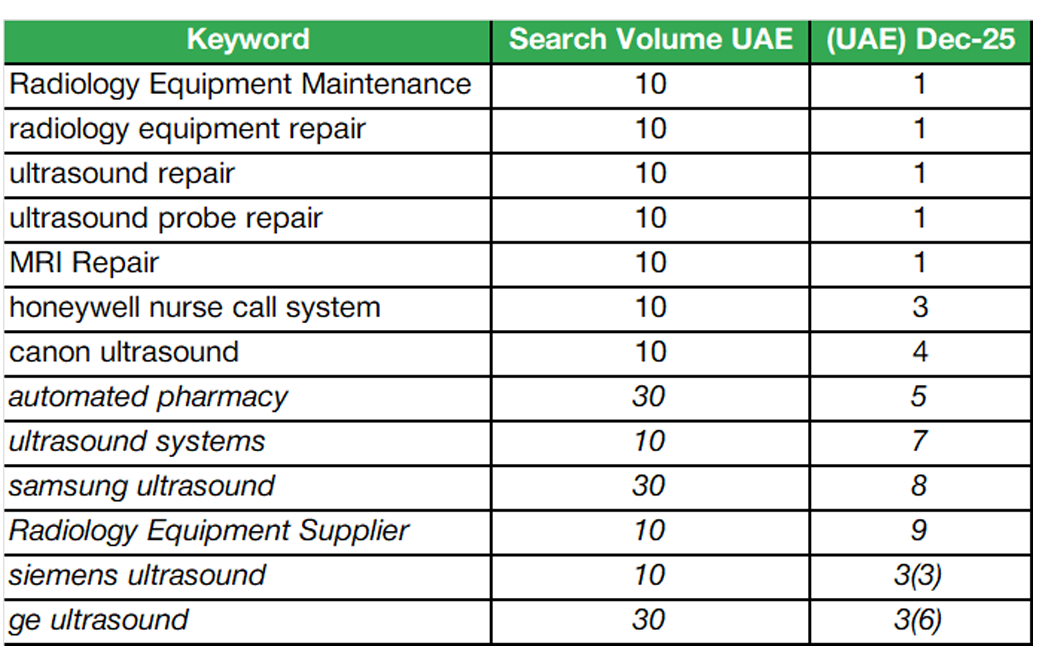
Keyword footprint expansion:

  • April 2025: 1 keyword in Top 10
  • December 2025: 13 keywords in Top 10

Keyword footprint expansion:

  • 5,164 users
  • 7,243 sessions
  • 564 tracked conversions
  • 3.84% session conversion rate
  • 311 conversions from organic search

At the start of the engagement in April 2025, WhatsApp was not generating any measurable activity from the website. As non-brand visibility improved and service pages were restructured for clarity and intent, WhatsApp emerged as a meaningful enquiry channel.
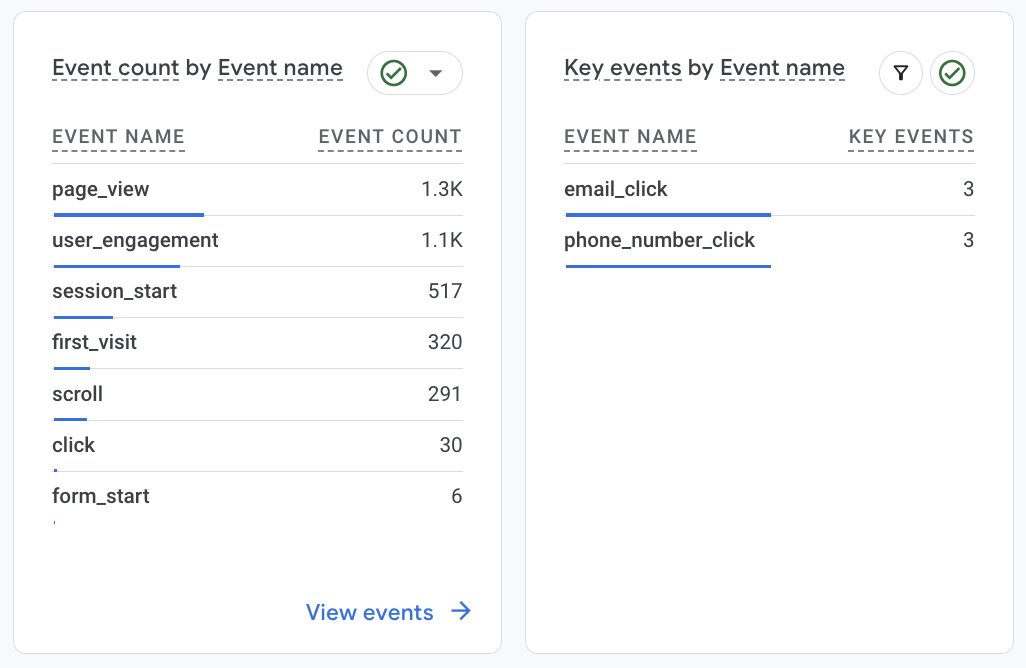
1-30 April

Between November and mid-December 2025, the site recorded:
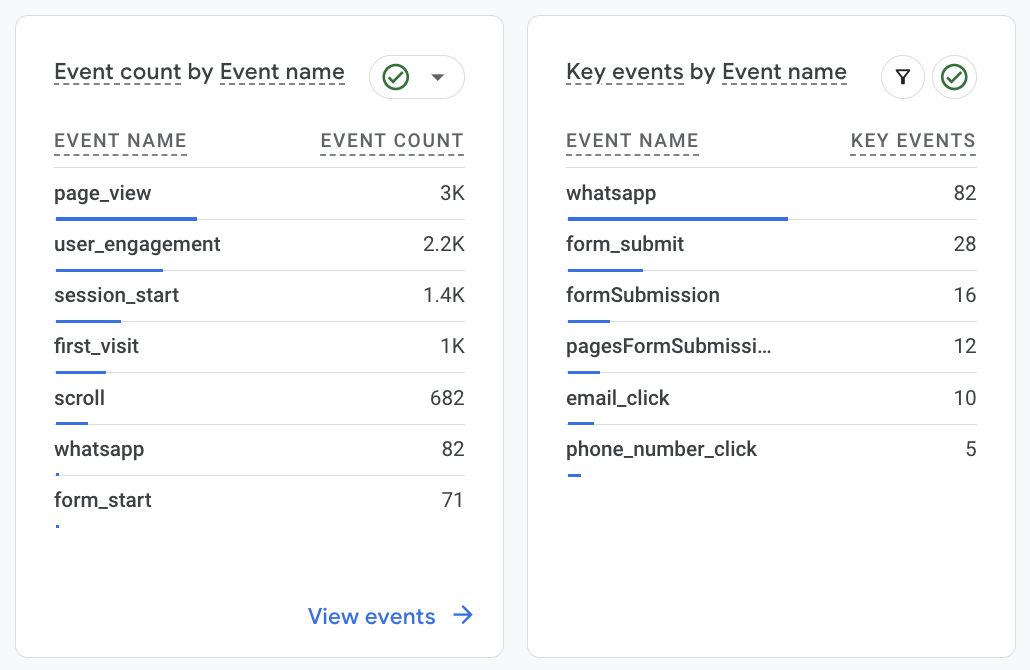
  • 82 WhatsApp clicks
  • 56 form submissions across key service and contact pages

From April’25 to the current month of December’25, they have received a total of 276 WhatsApp clicks.

This shift confirmed that organic traffic was no longer just increasing in volume; it was driving action-oriented enquiries aligned with the client’s primary business goals.
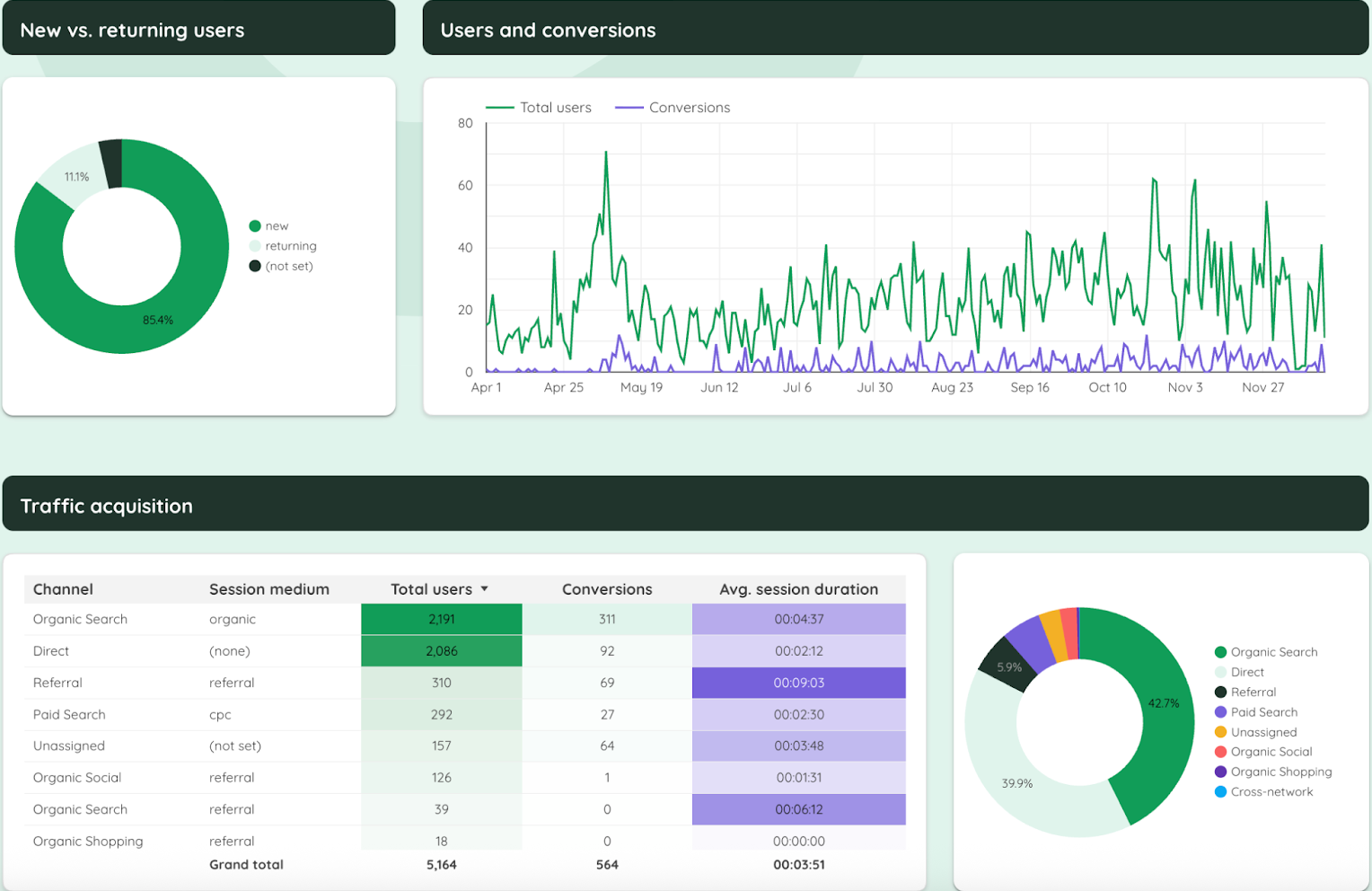
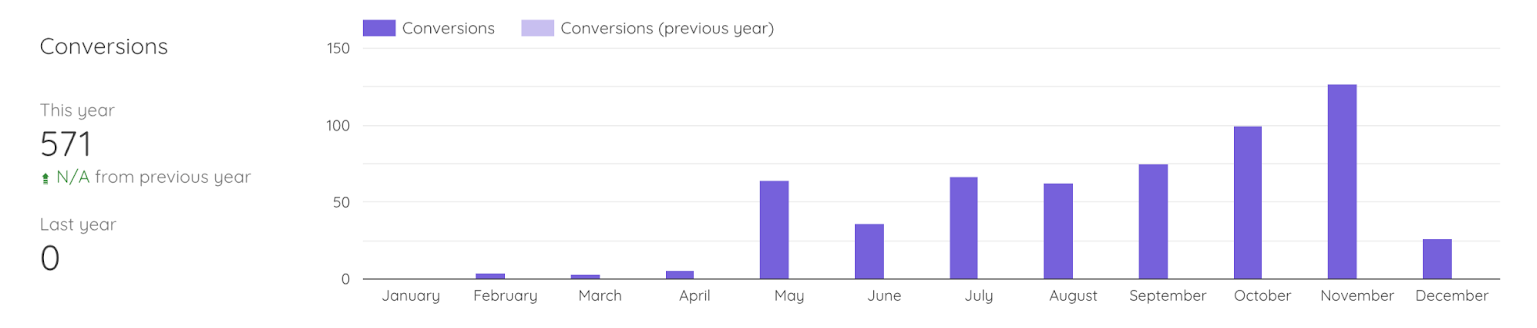
  • Traffic acquisition table (Organic highlighted)
  • Conversions trend chart